

Looking For a Mobile Notary in Texas? Here Are 10 Things You Should Know First
![[HERO] Looking For a Mobile Notary in Texas? Here Are 10 Things You Should Know First](https://cdn.marblism.com/6dDs9zAB8dd.webp)
You've got documents that need notarizing. You searched "mobile notary near me" or "notary near me" and now you're wondering what to expect.
Good call. Before you book anyone, there are a few things you need to know. Not all notary services work the same way. Fees vary. Rules exist. And knowing them ahead of time saves you headaches later.
Here's your checklist: 10 practical things to understand before hiring a notary public in Texas who comes to you.
1. A Mobile Notary Comes to Your Location
This is the main difference between a mobile notary and a traditional one. Instead of you going to an office, bank, or shipping store: they come to you.
- Your home
- Your office
- A hospital room
- A coffee shop
- A law office
- Pretty much anywhere in Texas
This is especially useful if you're dealing with:
- Mobility issues
- Tight work schedules
- Elderly family members
- Time-sensitive documents
You set the meeting place. The notary shows up. Simple.

2. Expect Travel Fees: They're Standard
Mobile notaries charge for their time and mileage. This is on top of the standard notarization fee.
In Texas, the base notarization fee is typically between $0.50 and $1.00 per signature. But when a notary drives to your location, travel fees apply.
These fees vary based on:
- Distance traveled
- Time of appointment
- Number of documents
- Urgency of the request
Don't be surprised by this. It's standard practice. A mobile notary is essentially running a house call: like a doctor or a locksmith. That convenience comes with a cost, but it often saves you more time and money than driving around town looking for a "notary near me" who's actually available.
3. Bring a Valid Government-Issued ID
No exceptions here.
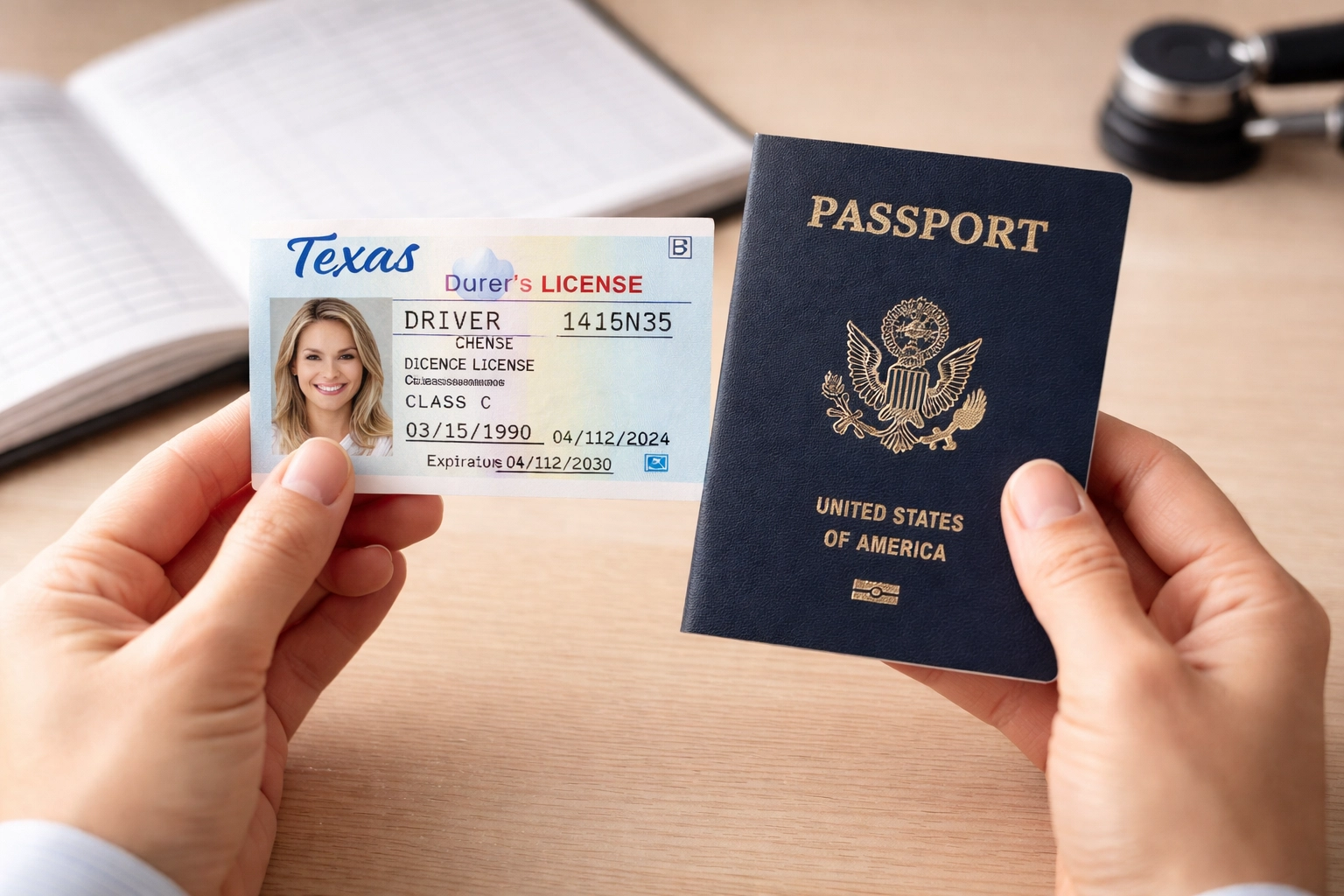
A mobile notary must verify your identity before notarizing anything. You'll need to present a valid, government-issued photo ID. Acceptable forms include:
- Texas driver's license
- U.S. passport
- State-issued ID card
- Military ID
If your ID is expired, damaged, or doesn't match the name on your documents: you may not be able to complete the notarization.
No ID? In some cases, a credible witness who knows you personally and can vouch for your identity may be accepted. But this adds complexity. Easier to just bring your ID.
4. You Usually Don't Need to Bring Witnesses
One of the most common questions: "Do I need to bring a witness?"
In most cases: no.
The notary handles identity verification independently. Unless the document itself requires witnesses (like certain affidavits or wills), you won't need to bring anyone with you.
That said, always check your specific document requirements beforehand. Some legal documents have built-in witness requirements that have nothing to do with the notary's job.
5. Know What Can (and Can't) Be Notarized
Mobile notaries can handle a wide range of documents:
- Legal documents: wills, trusts, powers of attorney
- Real estate paperwork: deeds, closing documents
- Vehicle titles
- Business contracts and employment forms
- Adoption papers
- Declarations of guardianship
What they cannot notarize:
- Birth certificates
- Marriage licenses
- Death certificates
- Divorce decrees
These vital records must be obtained directly from the issuing government agency. A notary can't certify them, period.
If you're unsure whether your document qualifies, reach out to your notary ahead of time. A quick call saves everyone a wasted trip.
6. Mobile Notaries Cannot Give Legal Advice
This is important.
A notary public in Texas is not an attorney: unless they also happen to be a licensed lawyer. Most aren't.
That means your mobile notary can:
- Witness your signature
- Verify your identity
- Apply their official seal and signature
- Complete the notarial certificate
They cannot:
- Explain what a document means
- Tell you whether you should sign something
- Advise you on legal matters
If you need legal guidance, consult an attorney first. Then call the notary.
7. Texas Mobile Notaries Hold the Same Credentials as Traditional Notaries
There's no "lesser" version of a mobile notary. They're fully licensed and trained.
In Texas, all notaries must:
- Pass an application and background check
- Maintain a $10,000 surety bond (4-year term)
- Keep a detailed journal of all notarization transactions
- Apply their official seal and signature to every notarized document
Mobile notaries meet the same requirements as those sitting behind a desk at a bank. The only difference is where they work.
8. Remote Online Notarization (RON) Is Available in Texas
Can't meet in person? Texas allows remote online notarization: also known as RON.
Here's how it works:
- You connect with the notary via a secure audio-video call
- You present your ID on camera
- You sign the document electronically
- The notary applies their digital seal
The signer can be located anywhere in the world. The notary must be physically in Texas.
Important note: Some institutions: certain courts, government agencies, and financial institutions: still require traditional, in-person notarization. Always confirm with the receiving party before choosing RON.
Dolph Integrity Services offers both in-person and remote notarization options. Check our services page for details.

9. Scheduling Flexibility Matters: Look for 7-Day Availability
Life doesn't wait for business hours.
Real estate closings happen on weekends. Medical emergencies don't check the calendar. Legal deadlines don't care that it's 7 p.m. on a Tuesday.
When searching for a "mobile notary near me," look for someone who offers:
- Evening appointments
- Weekend availability
- Same-day or next-day service
At Dolph Integrity Services, we're available 7 days a week. Because your schedule shouldn't have to bend around ours.
Need to book? Contact us here.
10. Experience Counts: 20 Years and Counting
Not all notaries are created equal.
Some are brand new. Others have been doing this for decades. Experience matters: especially when you're dealing with complex documents, tight deadlines, or high-stakes signings.
Judah Dolph, CEO of Dolph Integrity Services, brings 20 years of experience to every appointment. That's two decades of handling real estate transactions, legal documents, business contracts, and everything in between.
You're not just getting a signature and a stamp. You're getting someone who's seen it all: and knows how to get it done right the first time.
Learn more about our team on the About page.
Quick Recap: Your 10-Point Checklist
Before booking a mobile notary in Texas, make sure you know:
- They come to you: home, office, hospital, wherever
- Travel fees are standard and vary by distance
- Bring valid government-issued photo ID
- Witnesses usually aren't required (unless your document says otherwise)
- Some documents can't be notarized: like birth or marriage certificates
- Notaries can't give legal advice
- Mobile notaries hold the same credentials as traditional notaries
- Remote online notarization is an option in Texas
- Look for flexible scheduling: including weekends
- Experience matters: choose someone who knows the job
Ready to Book?
If you're looking for a reliable, experienced mobile notary near me in Texas, Dolph Integrity Services is here to help. We offer in-person mobile notarization across Texas and remote online notarization for those who can't meet face-to-face.
7-day availability. 20 years of experience. No runaround.
Get in touch today or visit our FAQ page if you still have questions.
